

“Chiusi gli occhi per tre volte
Mi ritrovai ancora lì.
Chiesi a mio nonno: ‘è solo un sogno?’
Mio nonno disse sì”F. De Andrè, Fiume Sand Creek
Table of Contents
- Introduction
- What to visit in Utah
- Itinerary in pills
- Day 1: Zion National Park
- Day 2: Bryce Canyon
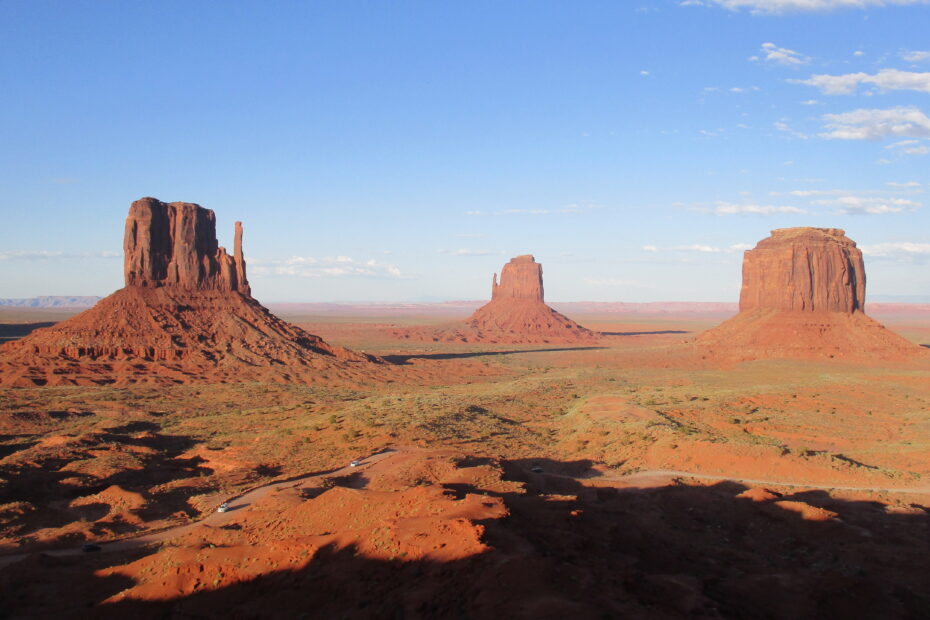
- Day 3: Monument Valley
- Conclusions
Introduction
The first time I began to imagine myself among Native Americans was probably in the early 1990s, when, as a child, I watched the film “Dances with Wolves” for the first time. Even at a young age, I realized that sometimes those we consider bad guys are actually good guys, while those who consider themselves good guys can suddenly find themselves becoming bad guys.
It was also through cinema that I learned about some of the most famous places associated with the myth of the American Indians. From Forrest Gump‘s “I’m a little tired!” to the third installment of Back to the Future, via John Ford’s westerns, Monument Valley, one of the most iconic parks in the western United States, certainly stands out among the settings of some of the most important films in the history of cinema. And how can we forget Butch Cassidy and Billy the Kid‘s horse rides against the backdrop of Bryce Canyon and Zion National Park?
However, cinema is not the only thing that comes to mind when I think of Native Americans. My fondest memory of them actually comes from my experience in the Scouts, during which I was also given a totem name 😊. I’ll reveal it at the end of this article on Utah, which officially became a US state at the end of the 19th century and is still home to a number of Indian reservations, the best known of which are probably those of the Navajo and Paiute tribes.
What to visit in Utah
From the deep red rocky highlands to the beautiful canyons, passing through dense forests and immense deserts dotted with sandstone rocks, the state of Utah is home to 13 natural parks, interspersed with towns ranging from small rural areas inhabited by Mormons to large vibrant cities, above all Salt Lake City, the state capital.
Coming from Nevada, the first major attraction you encounter when entering Utah is the beautiful Zion National Park, one of the largest parks in the United States and among the 10 most visited. A few miles from Zion is one of the most famous parks, not only in the US but in the entire world: Bryce Canyon, a must-see for any road trip through the parks of the West. Another must-see stop on the road, located between Utah and Arizona within the Navajo Nation, the largest area in the United States managed by Native Americans, is undoubtedly Monument Valley, a park that needs no introduction thanks to its scenery, which has made it a landmark for American Western cinema.
The area between Bryce Canyon and Monument Valley offers fascinating landscapes characterized by small towns that pop up in the middle of the desert. These include Kanab, also located on the border with Arizona and close to Coral Pink Sand Dunes National Park, and Bluff, a town from which you can easily reach Mexican Hat, a town that owes its name to an iconic sombrero-shaped rock, Natural Bridge National Monument, and Goosenecks State Park, from which you can admire the view of the San Juan River. Between Kanab and Bluff, you will cross Highway 12, probably the most scenic road in the state, which connects Bryce Canyon with Capitol Reef National Park and reaches the famous Lake Powell. Among the other points of interest accessible from Highway 12, it is also worth mentioning the Grand Staircase-Escalante National Monument, the largest park in southeastern Utah.
Heading north, towards the Colorado border, you arrive at Moab, a hub for visiting two important national parks: Canyonlands, Utah’s largest national park, and Arches, so named because of its high density (a world record) of arch-shaped rock formations.
Very close to these two national parks are Glen Canyon, which is crossed by the Colorado River and also extends into Arizona, and Dead Horse Point State Park, the latter known to film buffs for the final scene of the movie Thelma and Louise.
Itinerary in pills
At a glance, visiting the places mentioned in the previous paragraph would take about two weeks, assuming you never see the same thing twice. In our case, two weeks was the total length of our trip, so you can understand that having to cut more than half of the attractions we would have liked to visit from our itinerary was not pleasant. Forced to choose, we decided to focus on the attractions without which we really couldn’t return home without looking like runaways.
Our gateway to Utah was the border with Nevada. Arriving from there, our first stop was Zion National Park, with the minimum goal of climbing to the Angels Landing viewpoint. The next day was dedicated to Bryce Canyon, a park where we first visited the main viewpoints and then walked one of the easiest trails, the Navajo Loop Trail, content with what the weather allowed us to do. After a stop at Antelope Canyon, which I will tell you about in the next episodes (since it is not located in Utah but in Arizona), we finally said goodbye to Utah with the backdrop of Monument Valley enjoyed from Forrest Gump Point. Here is a recap.
| Day | Location | Notes |
|---|---|---|
| 1 | Zion National Park | Night in Hurricane |
| 2 | Bryce Canyon National Park | Night in Kanab |
| 3 | Antelope Canyon | Night in Page |
| 4 | Monument Valley | Night in Tuba city |
Three days for three wonders that I will try to describe in the following paragraphs, although I am aware that these places are actually indescribable.
Day 1: Zion National Park
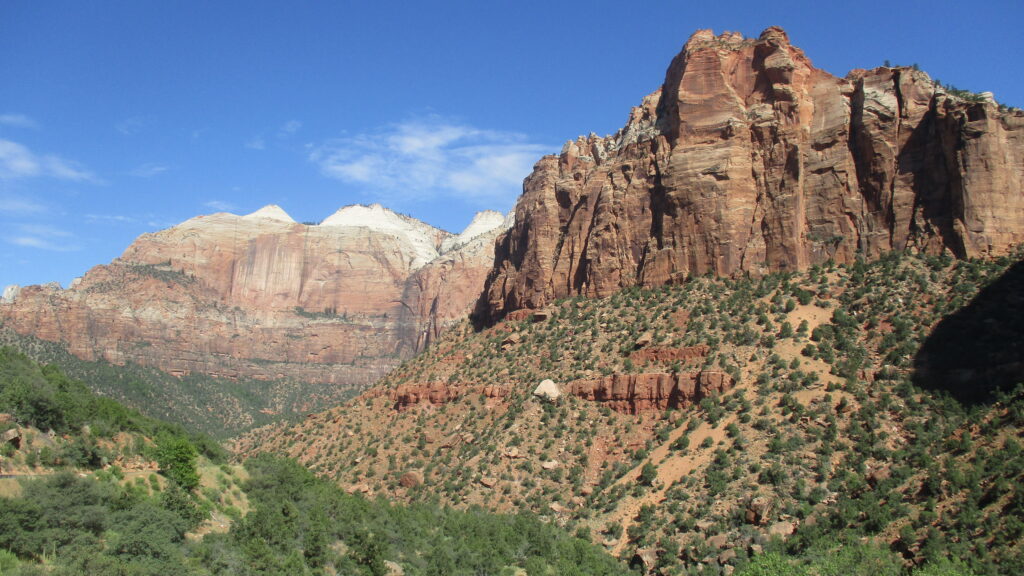
Zion National Park is often left out of itineraries for western US parks by those traveling from Italy, even though it is actually one of the most visited parks in the United States. It is a very large park, home to a wealth of attractions, and one that deserves a stopover of several days. The most impressive attractions in the park, which are also the ones we visited, are the aforementioned trail leading to Angels Landing, probably the most exciting viewpoint in the park, and the Narrows, long, deep gorges carved out by the Virgin River. Other attractions that we were unable to visit due to time constraints, much to our regret, include:
- Emerald Pools, small natural pools nestled among the reddish colors of the rocks. The easiest section to visit is the Lower Pools, which can be reached via a flat trail that is about 2 km round trip. From the Lower Pools, walking about another kilometer and a half along the Kayenta Trail, you can reach the second section of the Emerald Pools, i.e. the Upper Pools.
- Zion Observation Point, reachable via a rather strenuous hike, or via a less difficult trail that starts on the east side of the park.
- Canyon Overlook Trail, a hike of about 1.5 km round trip that allows you to enjoy some of the most beautiful views of the park, including the rock formations known as the Towers of the Virgin.
Leaving Las Vegas, where we had spent the night, we reached the gates of Zion National Park in about two hours by car, which magically became three hours due to the time zone change when crossing from Nevada to Utah. The park entrance fee is $35 per car, which must be left in the designated (free) parking lots if you happen to be there between April and October, months during which the Zion Canyon Scenic Drive is not accessible independently. The good news is that, as is often the case with other major parks, you can easily get around the park using the free shuttles available to visitors, which run continuously.
Angels Landing
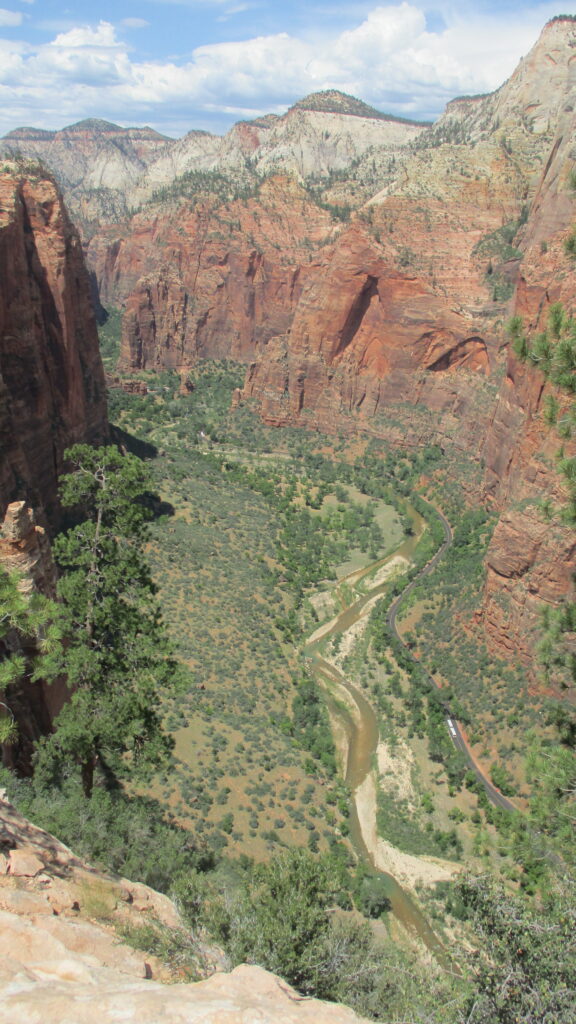
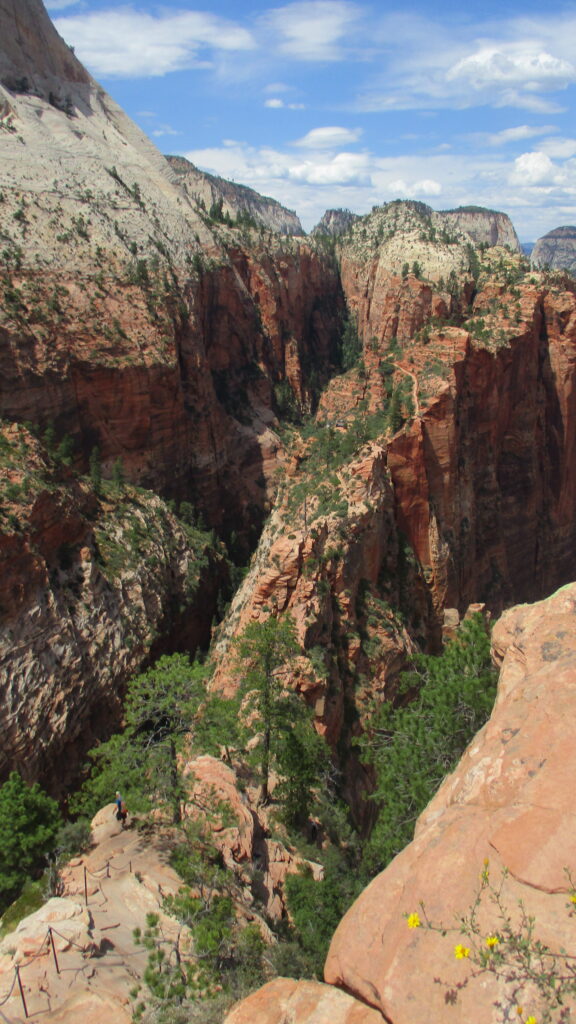
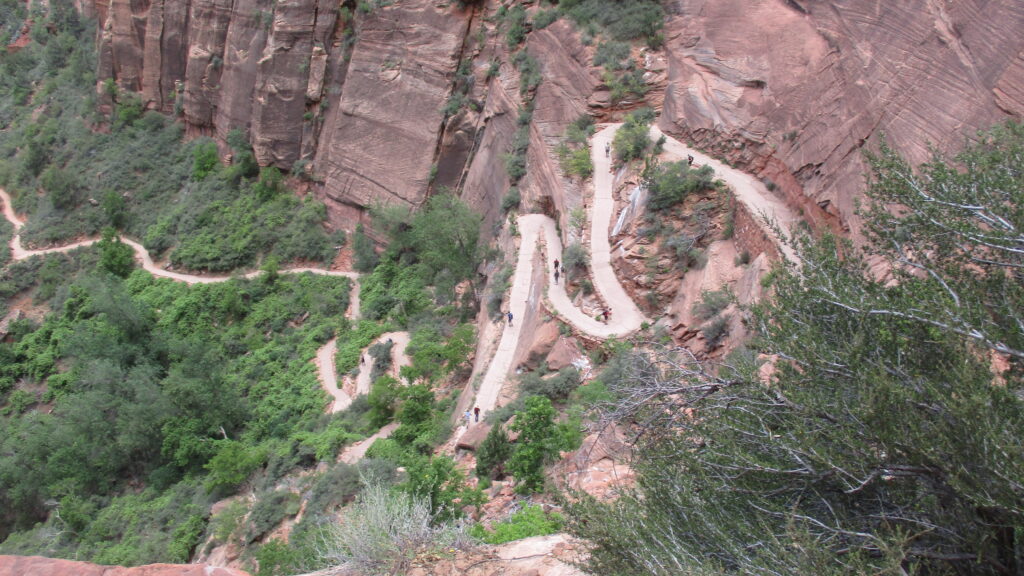
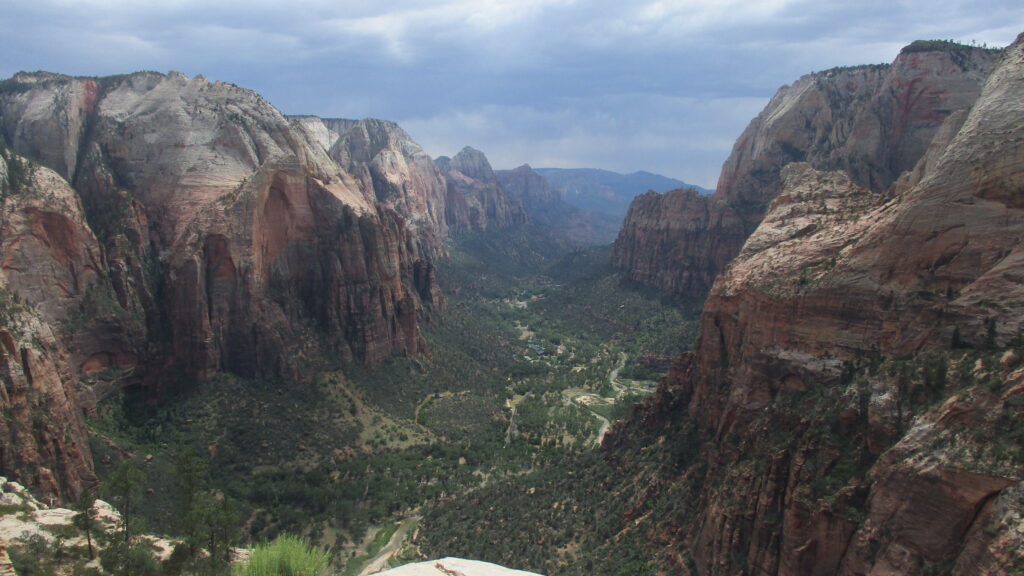
We start the day with the most challenging part, which is also the one I am most interested in: the climb up Angels Landing. It is a moderately difficult trail (although I saw people doing it barefoot!), which takes about 4 hours round trip. The trail is quite steep (total elevation gain of about 500 meters) and has a very narrow section at the end, which requires holding onto chains to get across. It sounds very dangerous, but in reality it is not that bad, although it may be impractical for those who suffer from vertigo. The effort of the climb is amply rewarded by the splendid panorama that accompanies the walk, and especially from the highest point, which offers an incredible view.
Narrows
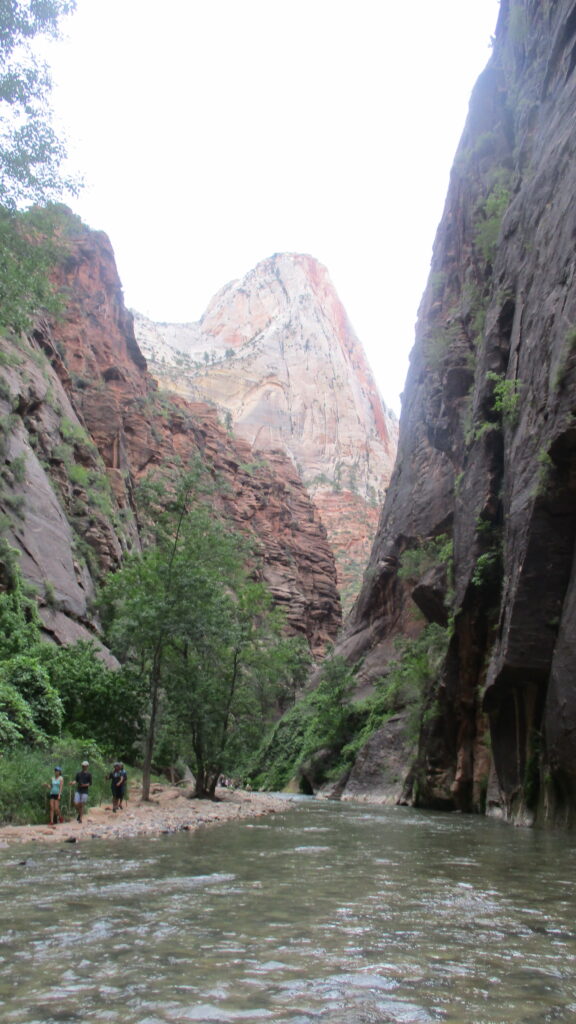
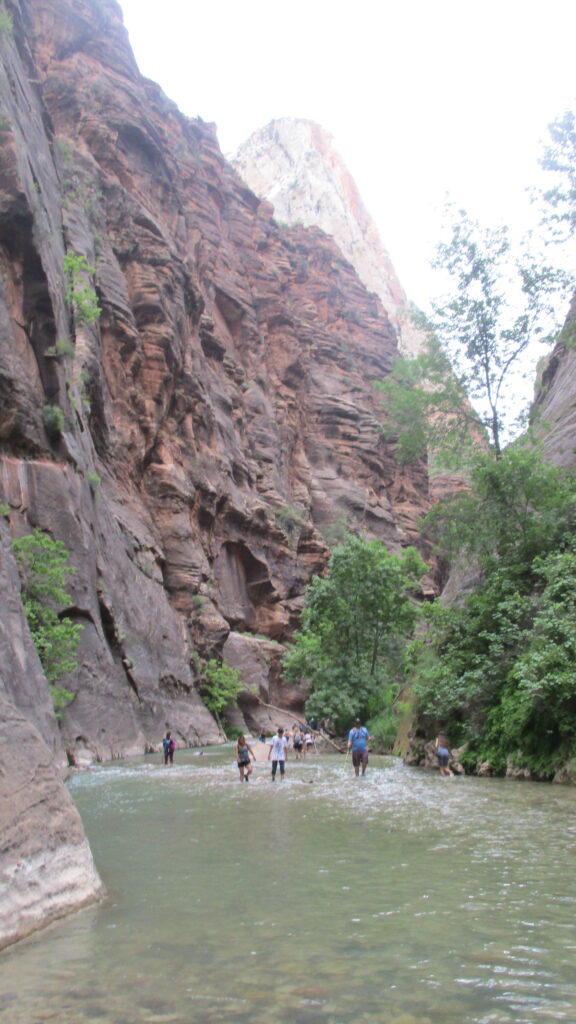
It is early afternoon when I finish the descent that allows me to return victorious from Angels Landing, albeit rather tired. The best way to recharge my batteries is to dip my legs in the water of the Narrows, which I decide to explore, reaching the entrance to the gorges via the simple Riverside Walk. It takes about five hours to walk the entire trail carved into the gorges, and above all, the water level must not be too high. Unfortunately, in my case, it is too high, so I can only go so far, to a distance from the start of the trail that I cannot quantify. For those who wish, it is possible to rent boots to enter the water, although with the water level as high as it is, I doubt it is a good idea. In this case (and not only!), my hiking sandals came in handy.
Once back at the starting point, unfortunately, there is only enough time to return to the parking lot to retrieve the car and head to Hurricane, a small town where we spend the night.
Day 2: Bryce Canyon
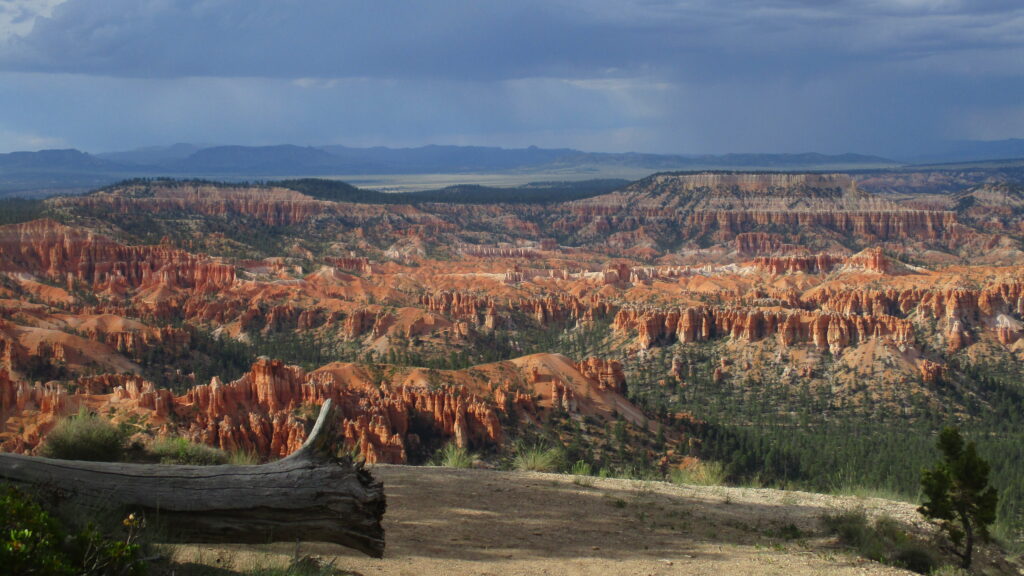
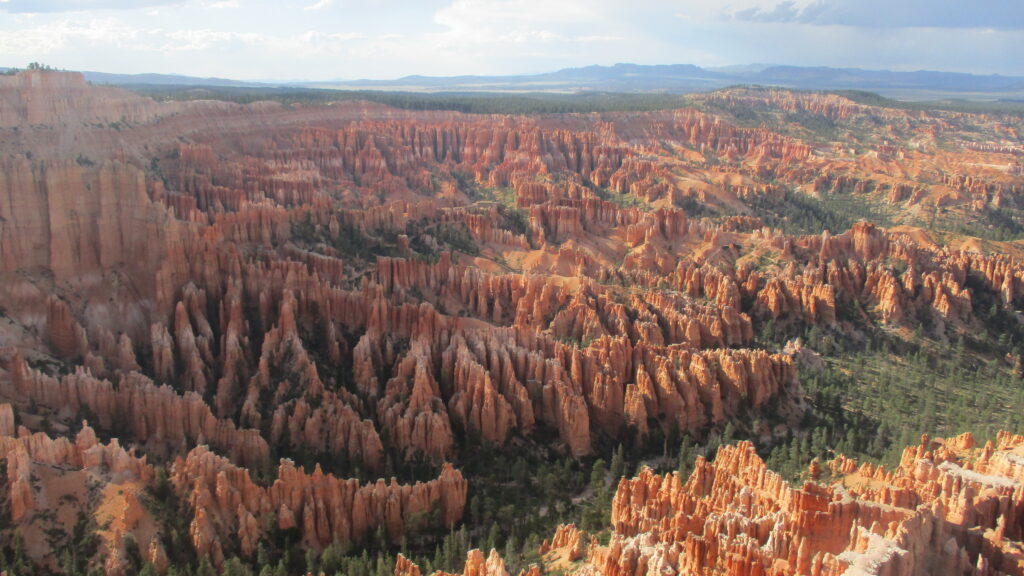
We have now reached one of the most eagerly awaited moments of the trip. Today is dedicated to Bryce Canyon, one of the most famous parks in the United States. Bryce Canyon is one of the smallest parks in Utah, but it is nonetheless a must-see for any trip to the western United States. The uniqueness of Bryce Canyon lies in its beautiful landscapes, where bright orange rocks, smoothed by time and weather to form ridges and pinnacles, sprout abundantly among the junipers that pervade the area.
The best way to visit Bryce Canyon is to combine the scenery from the various viewpoints located along Rim Road Scenic Drive, the main road through the park, with some healthy hiking on one or more of the available trails.
Rim Road Scenic Drive
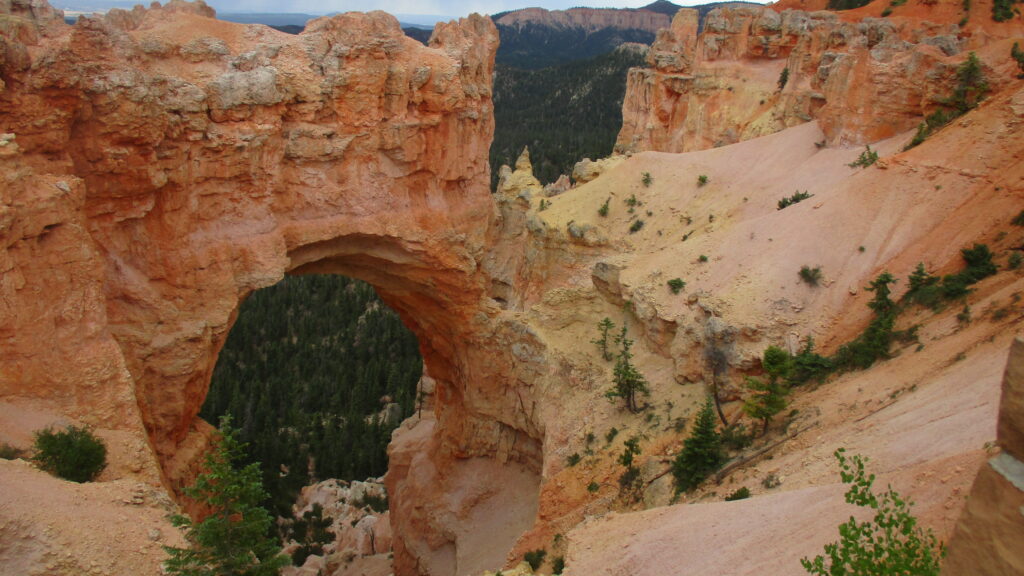
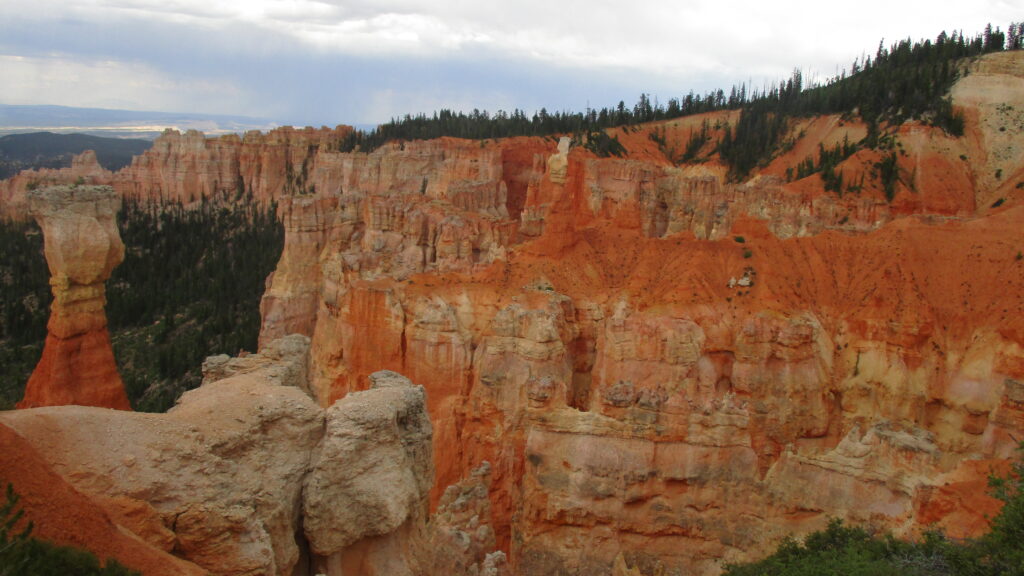
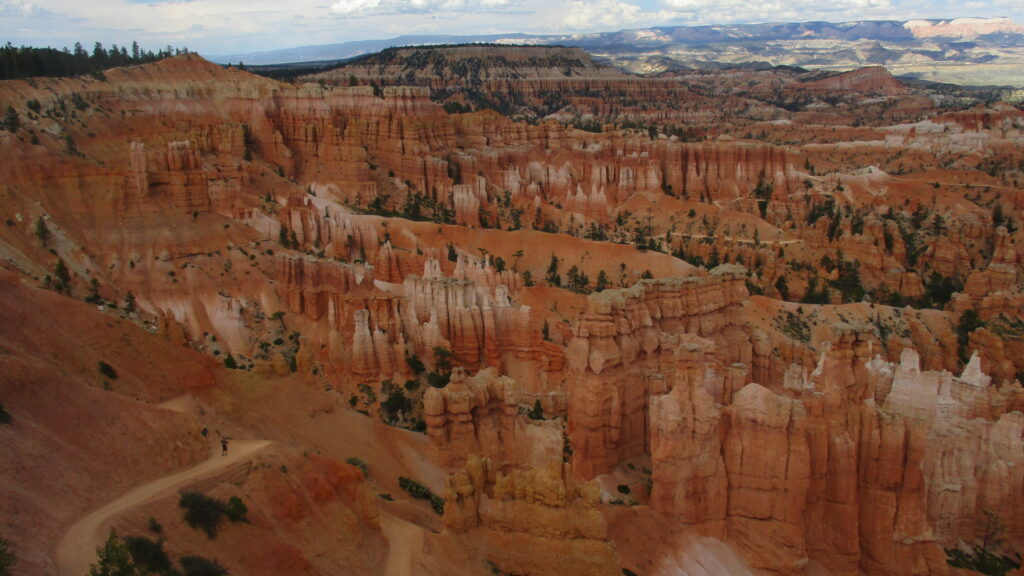
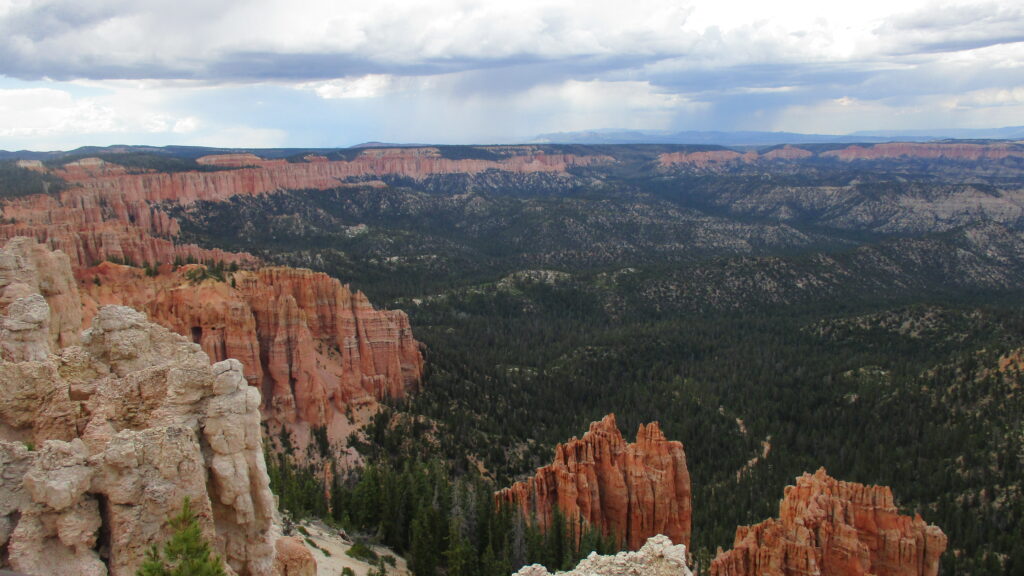
Leaving Hurricane, we arrive at the park after about an hour and a half drive and, after paying the entrance fee (USD 35 per car) and picking up a map, we begin our visit at the most important viewpoints we encounter along the way. Among these, Inspiration Point, Sunset Point, Rainbow Point, Bryce Point, Agua Canyon Overlook, and Natural Bridge are definitely not to be missed. All the viewpoints are easily accessible from the road, and we are also lucky because there aren’t many people. The view is truly indescribable.
Bryce Canyon trails
Next, we head into the park and choose one of the trails available inside.
These trails vary in difficulty. Among the easiest are:
- Navajo Loop Trail, which starts at Sunset Point and takes a couple of hours to complete.
- Queen’s Garden Trail, adjacent to the Navajo Loop Trail and taking a couple of hours to complete to Sunrise Point.
- Rim Trail, long but flat, particularly the section connecting Fairyland Point and Bryce Point.
- Bristlecone Loop, a circular trail near Rainbow Point.
Among the most complex trails, however, we find:
- Under-the-Rim Trail, over 35 km long, probably the most famous trail in the park.
- Fairyloop Trail, a 7.5-mile loop that can be covered in about half a day.
- Peekaboo Trail, relatively short (about 6.2 miles), but also doable in a good half day due to the continuous succession of ascents and descents, which begins and ends in the vicinity of Bryce Point.
We choose the Navajo Loop Trail, which proves to be an excellent compromise between low difficulty and spectacular scenery. The elevation gain is only 160 meters, for a length of just over 2 km.
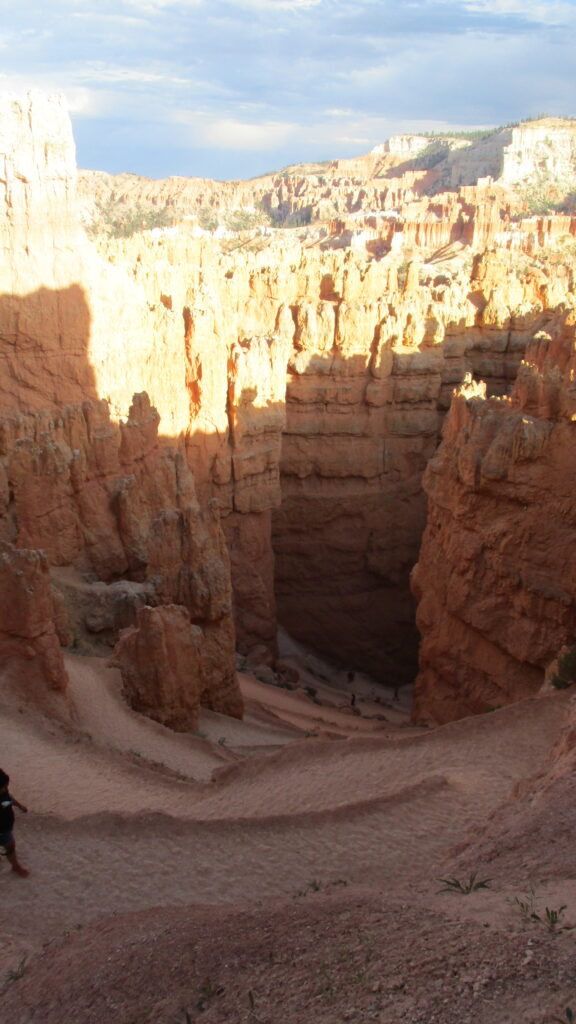
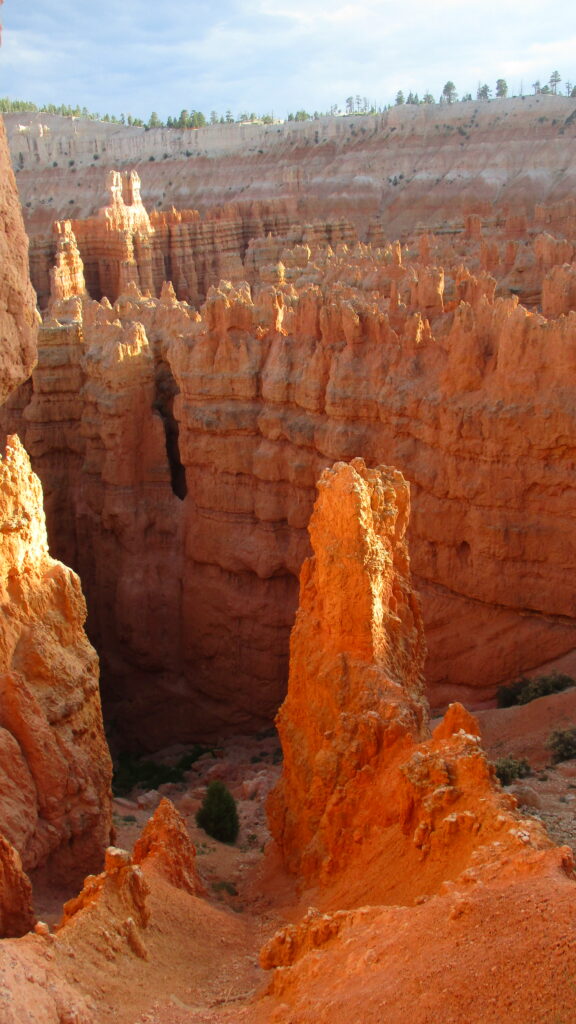
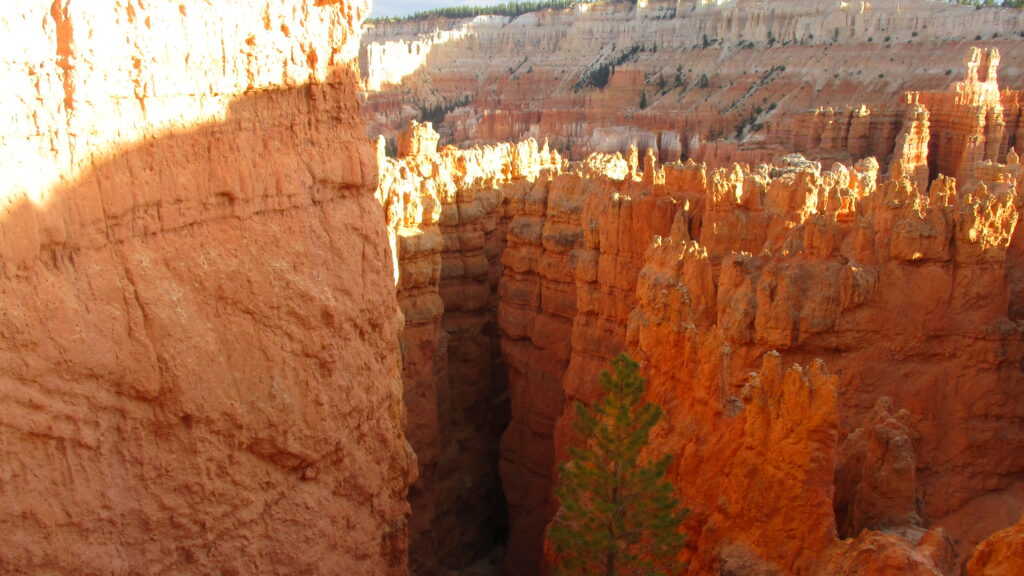
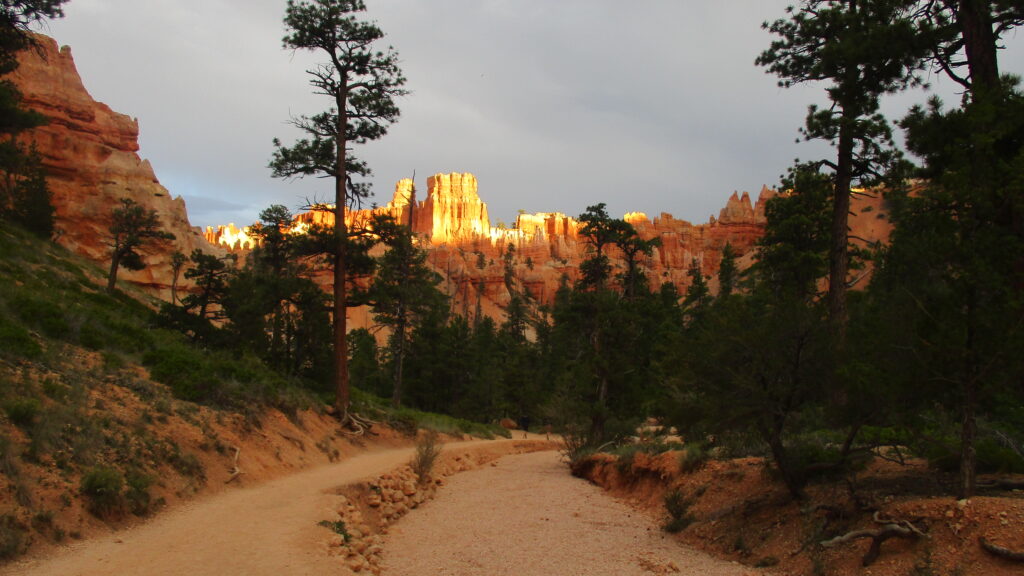
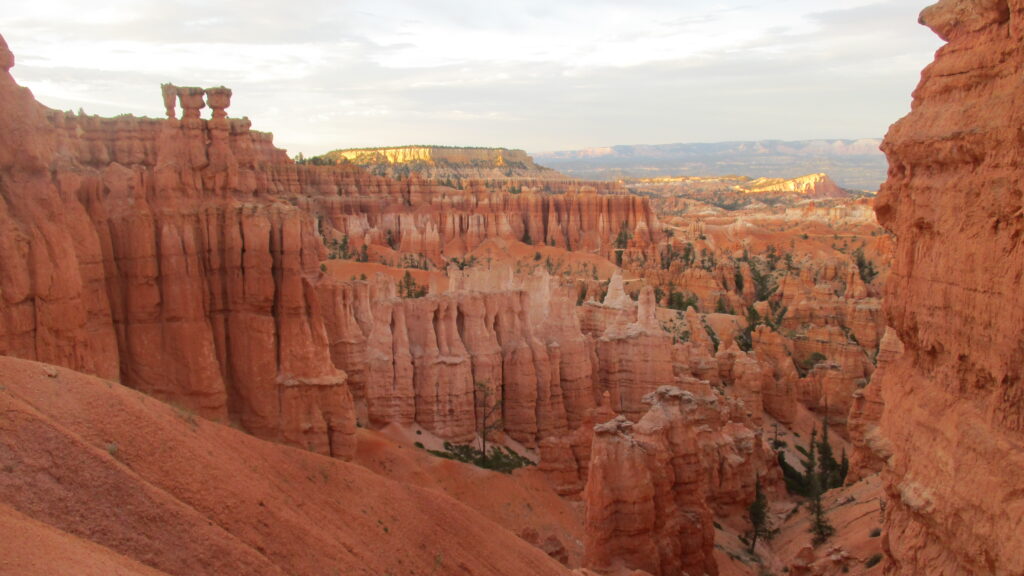
Unfortunately, we finish the trail at dusk, so we are unable to do any other routes. In addition, there is a significant temperature difference (we reach about 3000 m), so we decide to find some source of heat before heading to Kanab, where we spend the night.
Day 3: Monument Valley
The next stop after Bryce Canyon is Antelope Canyon, but I’ll talk about that in my article on Arizona’s parks. Suffice it to say that our day dedicated to Monument Valley began in Page, the town where we spent the night after visiting Antelope Canyon.
Monument Valley is the largest area in the United States managed by Native Americans, and it is probably the place most frequently associated with the Wild West in the collective imagination, thanks to numerous American films. It was in this area that the Navajo settled centuries ago, giving it the name “Valley Among the Rocks.”
Monument Valley can be visited independently (with your own vehicle) or by joining a guided tour. However, it is important to note that independent visits are limited to the Valley Drive, a dusty dirt road that runs through the park’s main rock formations. To explore the “off-road” part, you need to hire a guide. There is only one trail that can be explored independently, the Wildcat Trail, a 4-mile loop on a mostly flat road.
Since the outside temperature was over 40 degrees Celsius at the time of our trip (don’t follow my example of visiting Monument Valley in July, if you can!), we limited ourselves to the Valley Drive tour, which took us about 3 hours, including photos. The road is well marked and leaves little room for getting lost.
Mittens and Merrick Butte
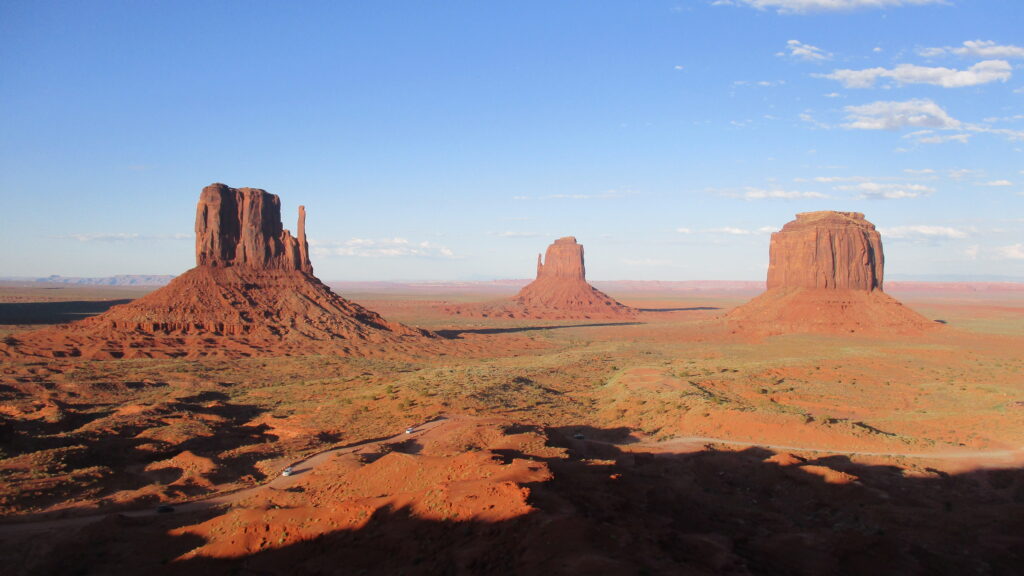
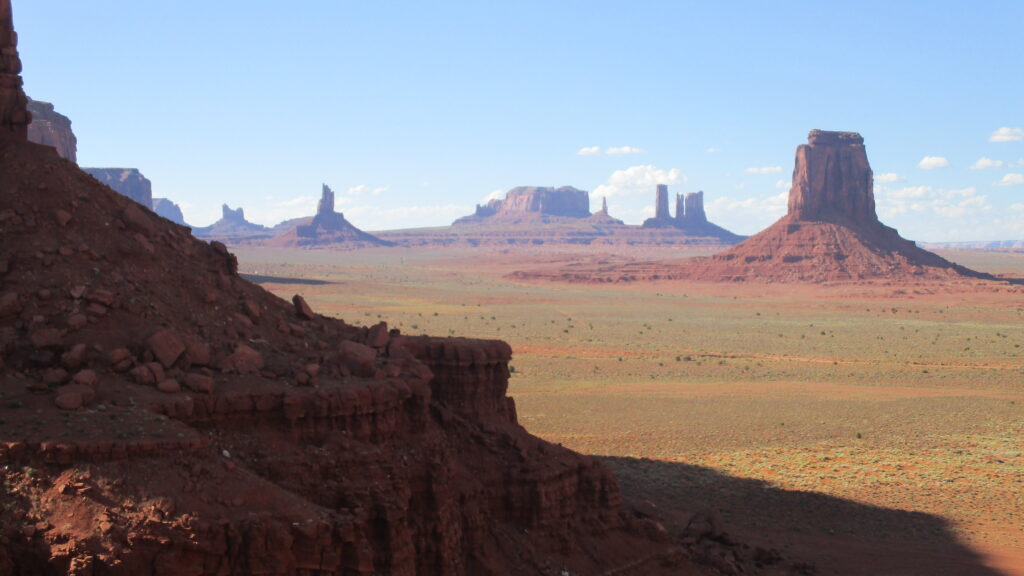
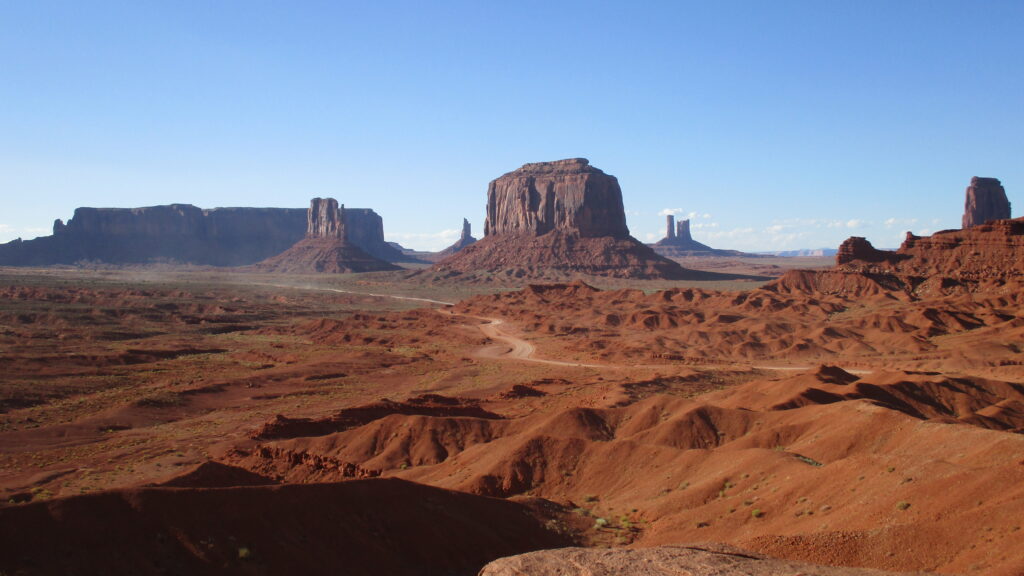
Once you enter the park (cost: $20 for the car + $10 per person) and pick up the very useful map, the first stop is the Visitor Center, where you can enjoy the view of Mittens and Merrick Butte, two of the most famous rock formations in the world. Their names derive respectively from their glove-like shape (Mittens) and the name of a silver miner killed at the end of the 19th century (Merrick).
Valley Drive
Starting from there, you will encounter a series of other formations with self-explanatory names: Eagle Rock, Bear and Rabbit, Elephant Butte, and Three Sisters.
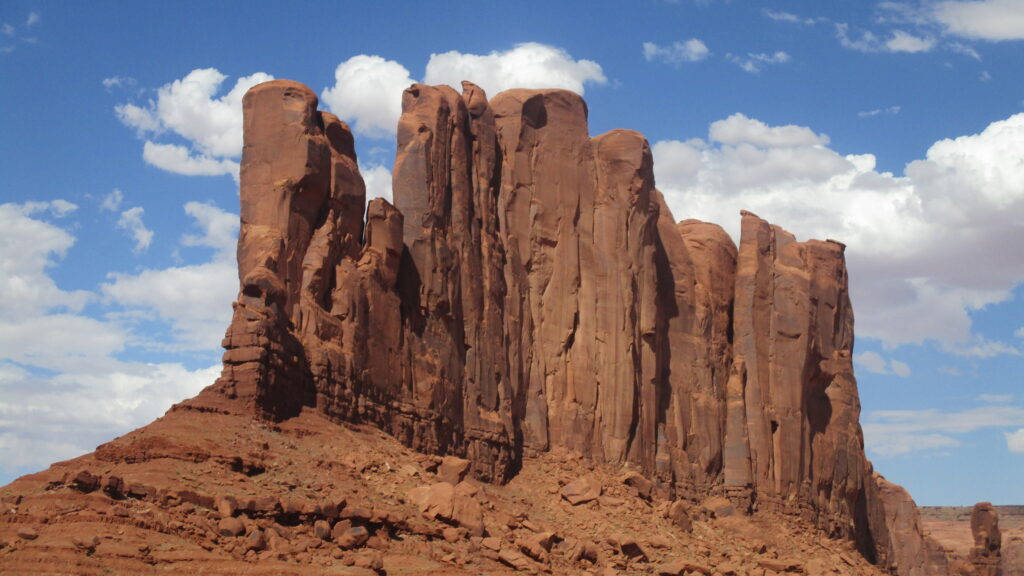
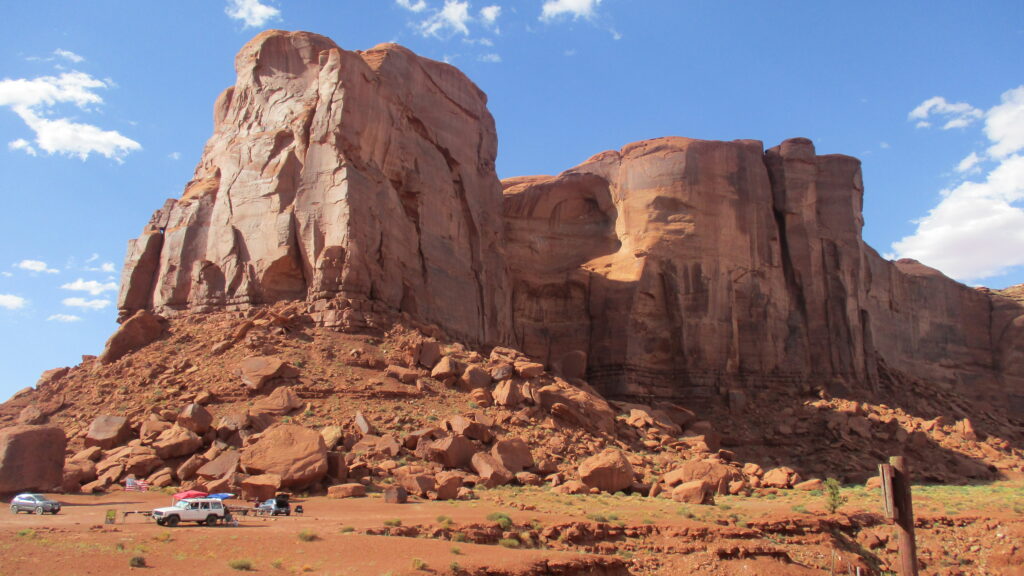
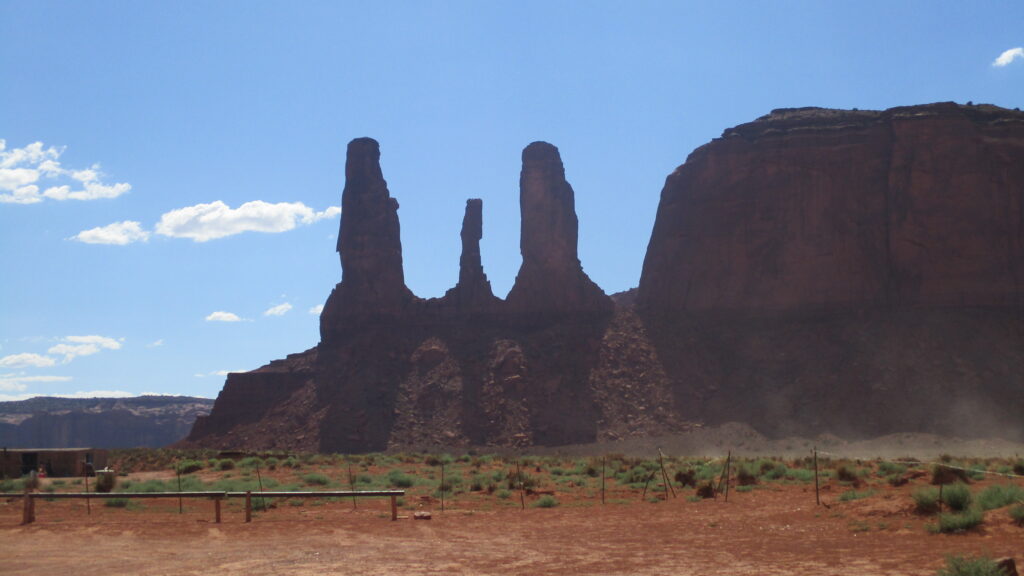
However, in my opinion, the most evocative spots are Artist’s Point and John Ford’s Point, the latter dedicated to the famous director who set several of his films there.
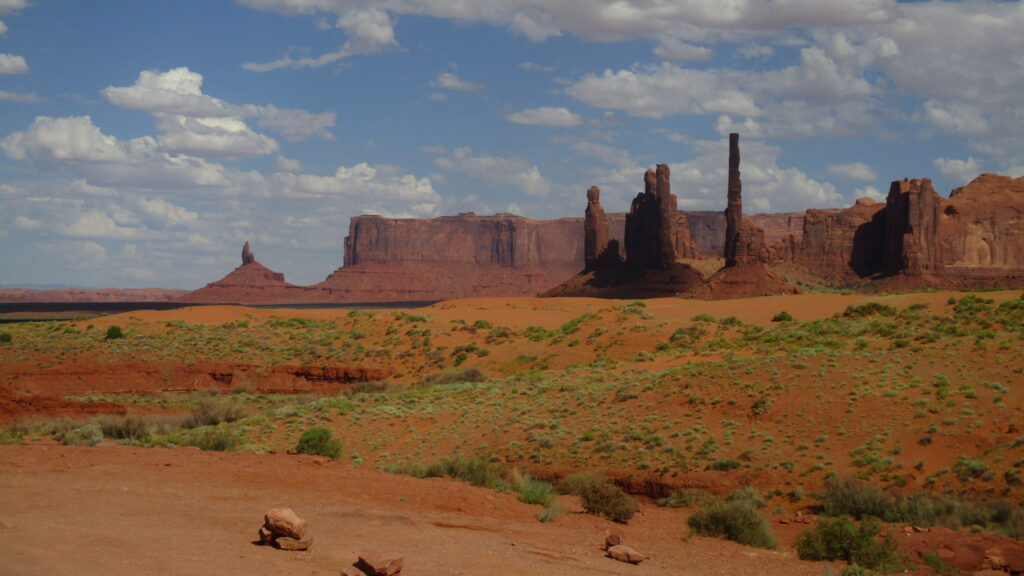
Forrest Gump Point
Leaving the park, before heading to Tuba City, a remote place that is actually the largest Navajo community and where we will spend the night, we make one last stop on the road to visit what is probably the most famous spot just outside Monument Valley: Forrest Gump Point, from the famous movie by R. Zemeckis. At this point in the day, the only thing I can say is that “I’m a little tired.”

Conclusions
Utah probably deserved a few more days, but I’m still satisfied with what I visited.
Zion National Park was the park that surprised me the most. I had high expectations, but I didn’t imagine that it could compete in beauty and majesty with its more famous cousins. The part of this park that I appreciated the most was definitely Angels Landing, which is difficult to reach but well worth the effort.
Bryce Canyon and Monument Valley, on the other hand, were the two attractions I liked the most on the whole trip, even more than Antelope Canyon and the Grand Canyon. When it comes to Bryce Canyon, I find it really hard to pick the spots that moved me the most, while for Monument Valley I have little doubt: gold to Forrest Gump Point, silver to Mittens and Merrick Butte, bronze to John Ford’s Point. “And I’m not saying any more about that,” as good old Forrest would say.
Oh, the totem name my friends gave me is “Crazy Mouse”… But I’ll leave you to guess why.
Related articles


